It is widely recognized that fan engagement is an undeniable force within the entertainment industry. For an artist, this support is a valuable asset that reflects, in real time, the atmosphere of social media. But beyond numbers and likes, there is an invisible mechanism that defines the quality of this relationship: the maturity of the bond built between those who create and those who follow. Many artists deeply acknowledge and value this connection with their audience.
Every fandom is born from a common starting point: admiration. It is an identification that crosses the screen, organizes itself into a community, and begins to exist as an active presence. However, the question that remains is: what is, ultimately, the true strength of a fandom? And in what way does this energy influence the life and career of the artist?
This was the provocation we shared on our Instagram last year (June 27), and some followers responded through comments and private messages, offering feedback on this topic. The responses revealed much about a dynamic that moves between absolute support and the risk of destabilization.
They observed the strong identification audiences develop with certain artistic partnerships, often idealized and projected far beyond fiction.
They agreed that many voices echo within fandom spaces, filled with passion, expectations, and desires, revealing a genuine connection with the artists they follow.
Within this context, our analysis turned toward reality in a broader sense, rather than focusing on a specific case.
As a collective, a fandom is a passionate community. When well-structured and properly guided, it becomes a pillar of respect, capable of sustaining and propelling careers beyond traditional spaces.
But what happens when the voice of this community becomes unbalanced? When that strength loses its direction? When it grows excessive or is no longer properly channeled, what becomes of that “force”?
The power of a fandom is singular. It can propel careers, shape narratives, and sustain projects. These movements can inspire and support artists, especially in challenging moments.
However, often driven by affection, fandoms may act without full awareness of what happens behind the scenes, without fully measuring the impact of their actions.
Fandoms build; this is an undeniable truth. But they can also generate silent pressure when intensity is not matched with discernment. Narratives begin to form outside of concrete reality, and what begins as admiration can gradually turn into an attempt to direct the artist’s path.
The true strength of a community does not lie in dominating narratives or imposing external desires. It lies in respecting trajectories, supporting artists’ choices, and sustaining an admiration that goes beyond immediate projection.
The relationship between artist and audience, when grounded in mutual respect, transforms into something rarer and more enduring: a connection that does not impose itself, but accompanies. That does not demand, but sustains, and can also foster meaningful real-life closeness. There are countless examples of fans who have connected with their artists and built genuine bonds.
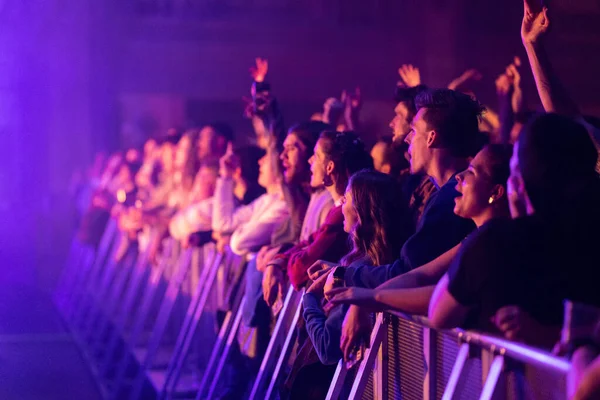
Source: Personal Archive / Public Domain Repository
This is the foundation of a mature fandom: partnership, not imposition. Support, not pressure. Recognition, not projection. In the end, the strength of a fandom lies not only in the volume of its voice, but in the direction it chooses to follow.
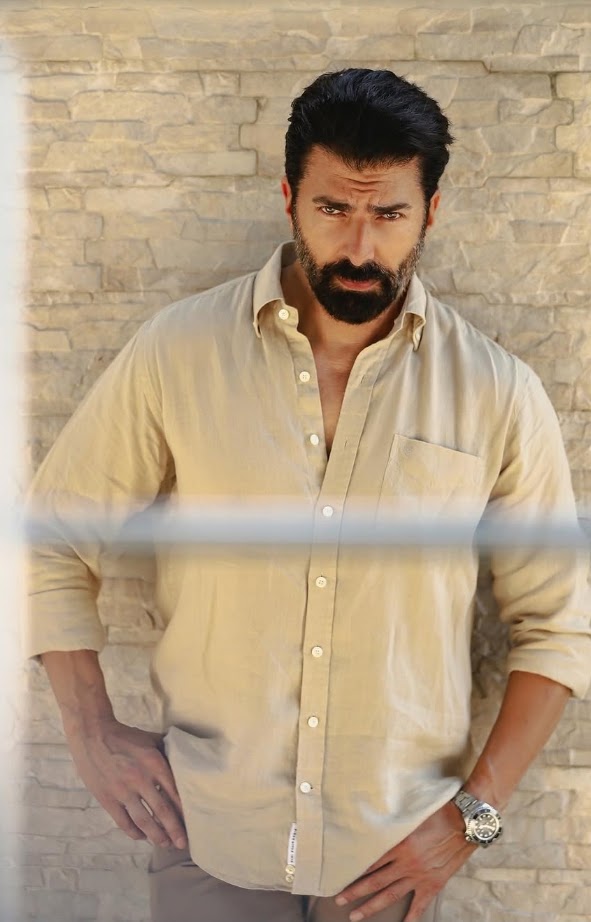
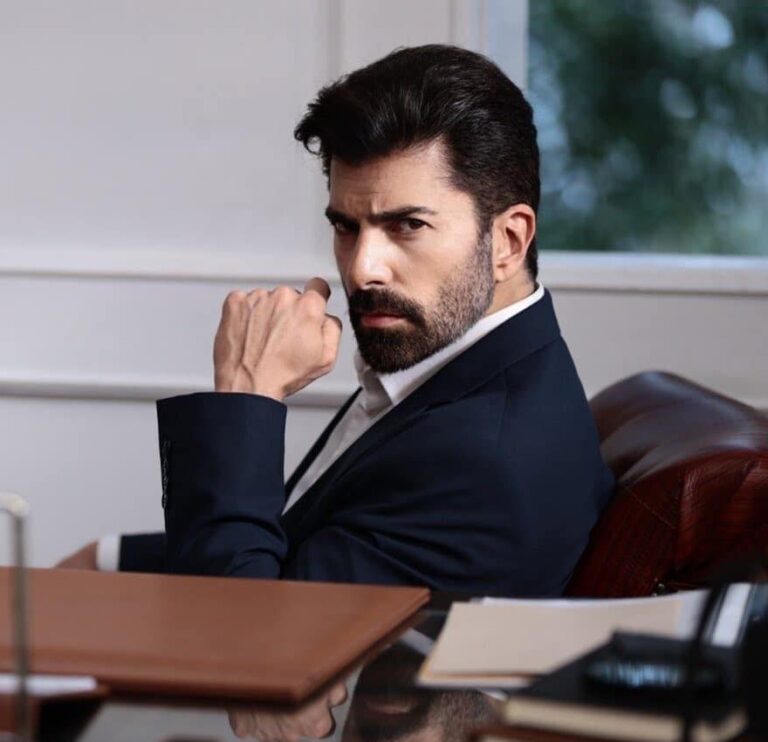
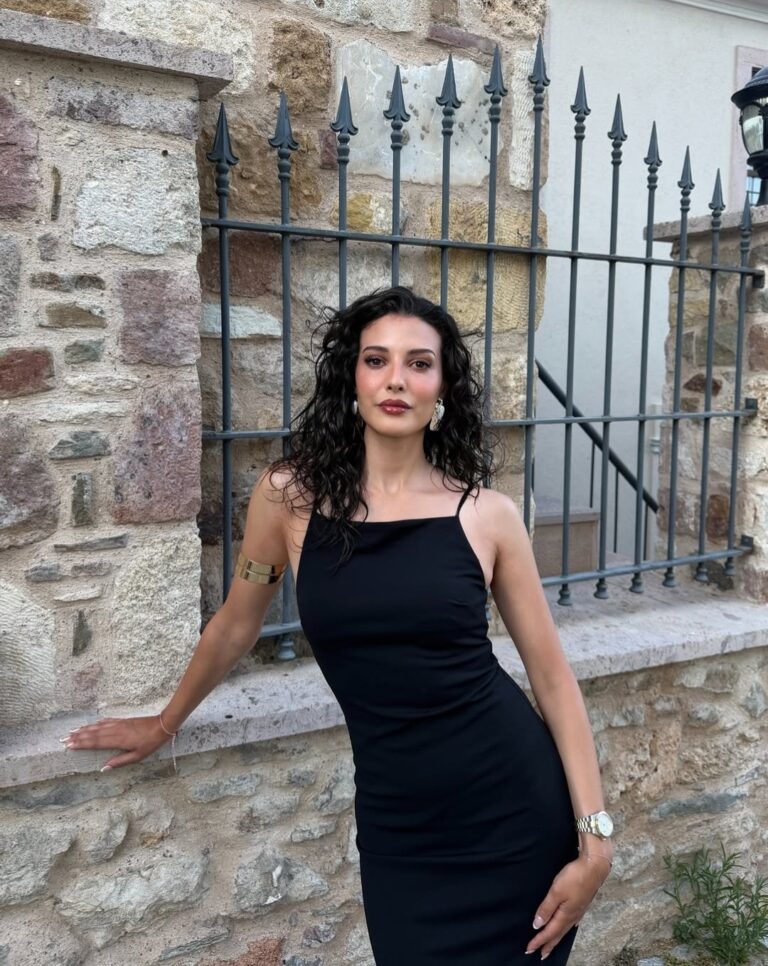
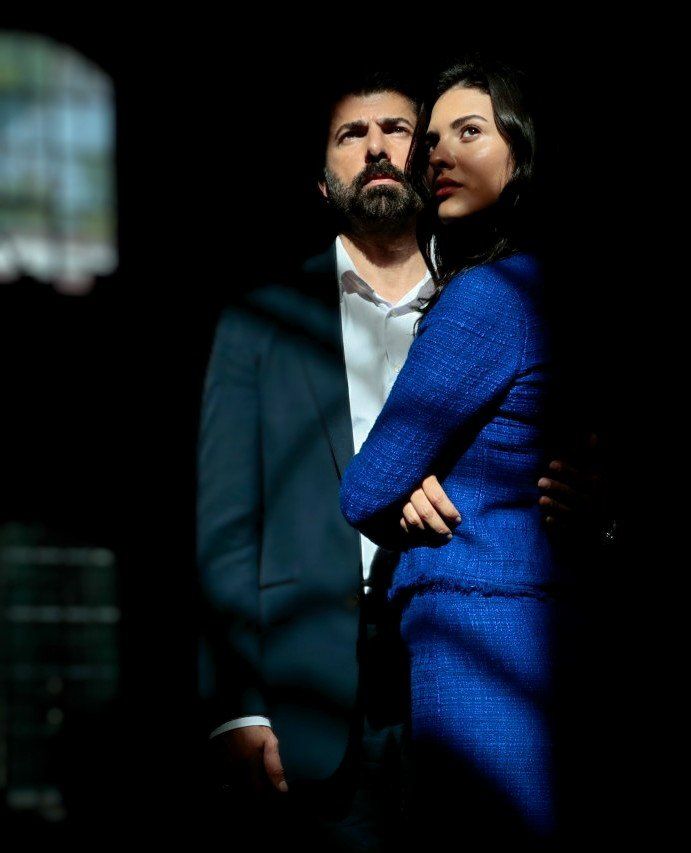
Looking at Cenk Torun and Mahassine Merabet, it is clear that they are supported by a solid global fan base whose strength is undeniable, and whose dynamic manifests in a clear and mutual way.
Ultimately, the greatest challenge lies in the ability of this collective of fans to transform their passion into a resilient and cohesive form of support, without creating projections or demands that attempt to blur the line between the work and the individual.
“Fame is something I think is best handled with a great deal of caution.” – Daniel Day-Lewis
Because when passion becomes absolute, the risk does not lie in the feeling itself, but in the way it is directed, creating expectations that reality cannot always, and should not always, fulfill. After all, the longevity of this relationship between fan and artist is sustained not only by the volume of expressions, but by the quality of the environment that audiences choose to cultivate around their artists.
Note: This content was originally published on Instagram on June 27, 2025, and has been revised and expanded for this edition of BeyondSceneMC.