There are signs that life gives us, which only time reveals as destiny. In Mahassine Merabet, these signs were already manifest in her childhood, through a constant inclination to push boundaries and a quiet courage to seek the new qualities that would later lead her far beyond the borders of Morocco.
From an early age, she displayed an energy directed toward experiencing the unknown, venturing into games and soccer matches with peers, jumping over walls and improvised spaces, and inventing stories she would perform for her family. Her parents, grandparents, and relatives formed the first audience for that child who already yearned to be before the cameras, even without knowing the paths that would lead her there.
Born in the historic city of Ksar el-Kebir, in northern Morocco, she grew up between Casablanca and Rabat within a family structure that valued stability and education. Alongside her younger sister, Maroua Merabet, she lived a childhood marked by affection and presence, under the watchful eye of her mother, Alia Bouraakar, her primary supporter and her father, Chakir El Merabet. Part of her childhood memories were also built at her grandmother’s house, where she consolidated affective bonds that would remain a reference throughout her life.
As a child, she enjoyed watching Turkish series and listening to the language. This interest intensified around 2016, and what began as curiosity transformed into natural learning. Her fluency in Turkish did not stem from an academic requirement but from a genuine admiration, adding to her mastery of Arabic, French, and English.
During adolescence, she excelled in high school, particularly in mathematics a path that could have led her toward engineering. However, it was in communication that she would later find a space more aligned with her form of expression.
In 2018, while studying Media and Communication at Mohammed V University in Rabat, the Turkish language entered her life definitively. She enrolled in the Yunus Emre Institute and, from then on, began using the language as a practical tool: she worked as a translator, secured an internship in the university’s journalism department, and had the opportunity to anchor the news program Fast News.
A chance encounter at a university fair would mark the beginning of a major shift in her life. While working as a translator, she met Professor Semra Boğa, who would become not only a mentor but a cultural bridge to a new path outside of Morocco. Semra’s encouragement, combined with Mahassine’s daring nature, opened the possibility of moving to Istanbul. The initial goal was to pursue a Master’s degree in International Relations at Nişantaşı University, balancing her studies with a position in the institution’s international department.
Before this permanent move, Mahassine had already visited Istanbul in 2018. It was during this trip that she had her first contact with the universe that would lead her to acting, upon meeting Tüles Evren, the sister of Tümay Özokur. The meeting, which occurred casually in a beauty salon, granted her access to the academy that would later become a fundamental part of her training.
The emotional foundation sustaining her new trajectory is centered on her mother, Alia Bouraakar. At such a pivotal moment of definition, it was she who validated Mahassine’s inclination to study abroad. More than a supporter, her mother was the voice that impelled her to cross Morocco’s borders, encouraging her to go to Turkey and try. Today, Mahassine recognizes that the freedom to live the career she chose is a direct reflection of this unconditional support from her mother and family.
In September 2019, she headed to Turkey, staying as a guest at Semra’s home. Her plan remained aligned with her academic background: a Master’s degree, working in a university environment, and developing her own projects, such as “Mahassine Talks Bil Arabi,” aimed at the Arabic-speaking public. Simultaneously, she began her training at the Tümay Özokur Academy, still with a strategic focus on expanding connections and facilitating her communication projects.
However, what seemed to be a consolidated trajectory in journalism revealed itself to be a point of transition. Acting ceased to be a complementary resource and took center stage in her choices. Her first audition exposed this initial phase directly. Lacking technical training, she faced difficulties in a scene of high emotional weight an experience she describes as frustrating. Nevertheless, her presence caught the directors’ attention.
The definitive turning point occurred between 2020 and 2021. Realizing that acting offered a fulfillment that the institutional environment could not sustain, she decided to leave her position at the university and reorganize her life around this new path. She began to dedicate herself entirely to training at the academy under the guidance of Professor Burak Serimola, balancing her Master’s degree with an intense routine of acting studies.

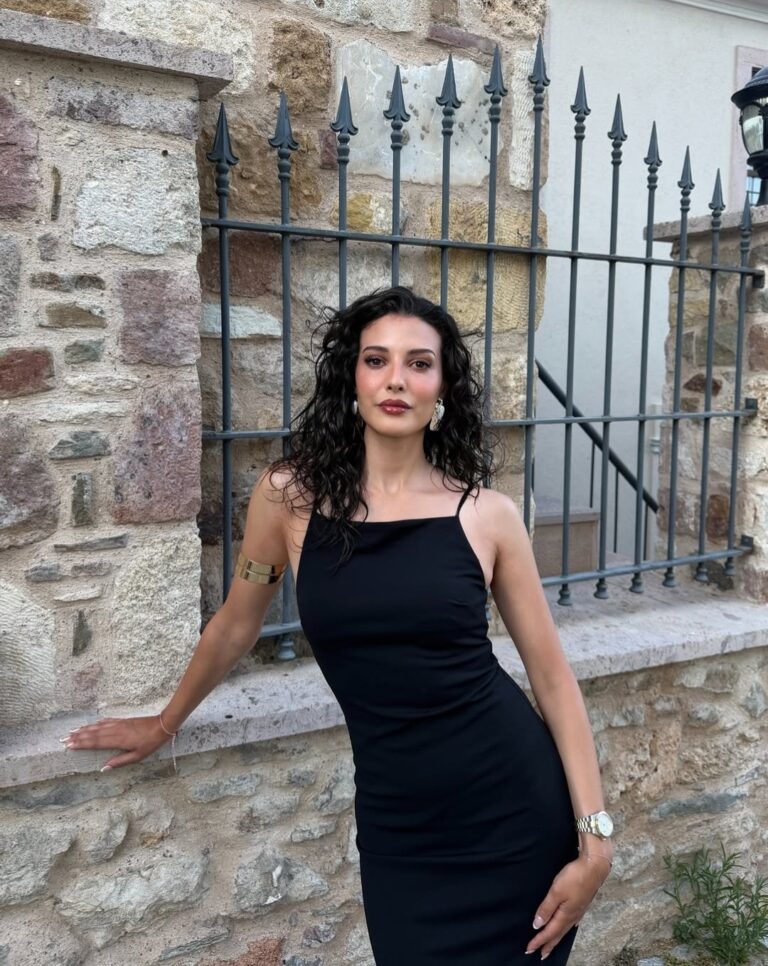
Source: Gardirop Magazin / Instagram @ mahassinemerabet
During this period, she maintained the image of academic continuity for her family while structuring her professional transition. She supported herself through advertising campaigns, understanding that building a career would require time, consistency, and resilience.
“Work hard in silence, let your success be your noise.” Mahassine Merabet
Two years after her first frustrating audition, the opportunity that would change her trajectory arose. During the casting process for the series Esaret, the team reconsidered her. This time, fully prepared, she found in the role of Hira Demirhanli a point of connection with her own experience playing a foreign character whose fluency in French and unique presence became key narrative elements.
Her debut as a protagonist marked not only the beginning of her acting career but the consolidation of a process built silently. Throughout Esaret, her performance evolved alongside the character, exploring different emotional layers and expanding her screen presence. During the hiatus between seasons, she participated in the Moroccan production Kaftan Khadija, reclaiming a direct link with her original culture through the character Leila.
Following the conclusion of Esaret in 2025, she joined the film project Tam Pansiyon Aşk, expanding her experience beyond the television format by bringing her character Elvian to life. This journey led her to a new level with her entry into Kuruluş Orhan, where she took on the role of Nilüfer Hatun. The project marked her entry into large-scale productions, demanding new layers of character composition.
Her trajectory, from her debut in Esaret to her current leading role in Kuruluş Orhan, is marked by solid recognition not only from critics and the public but also consistently validated by her international fans. Her achievements show significant recognition for a foreign actress at the start of her career, proving that her dedication has made her a well-prepared professional a reflection of her courageous choice made years ago to be faithful to her own essence and character.
This same steadfastness is reflected in how she handles public perception. Far from molding herself to external expectations, she preserves her spontaneity and affection as a continuation of who she has always been. This is reflected in the warm relationship she has built with her fanbase, where the affection is mutual.
For Mahassine, authenticity is non-negotiable. By establishing clear boundaries between identity and expectation, she acknowledges the external gaze but does not take it as her direction. This same logic extends to how she handles speculation and digital noise. She keeps her focus on her own path. Her references are not found in diffuse opinions about her, but in those who truly know her story. More than indifference, it is a matter of direction.
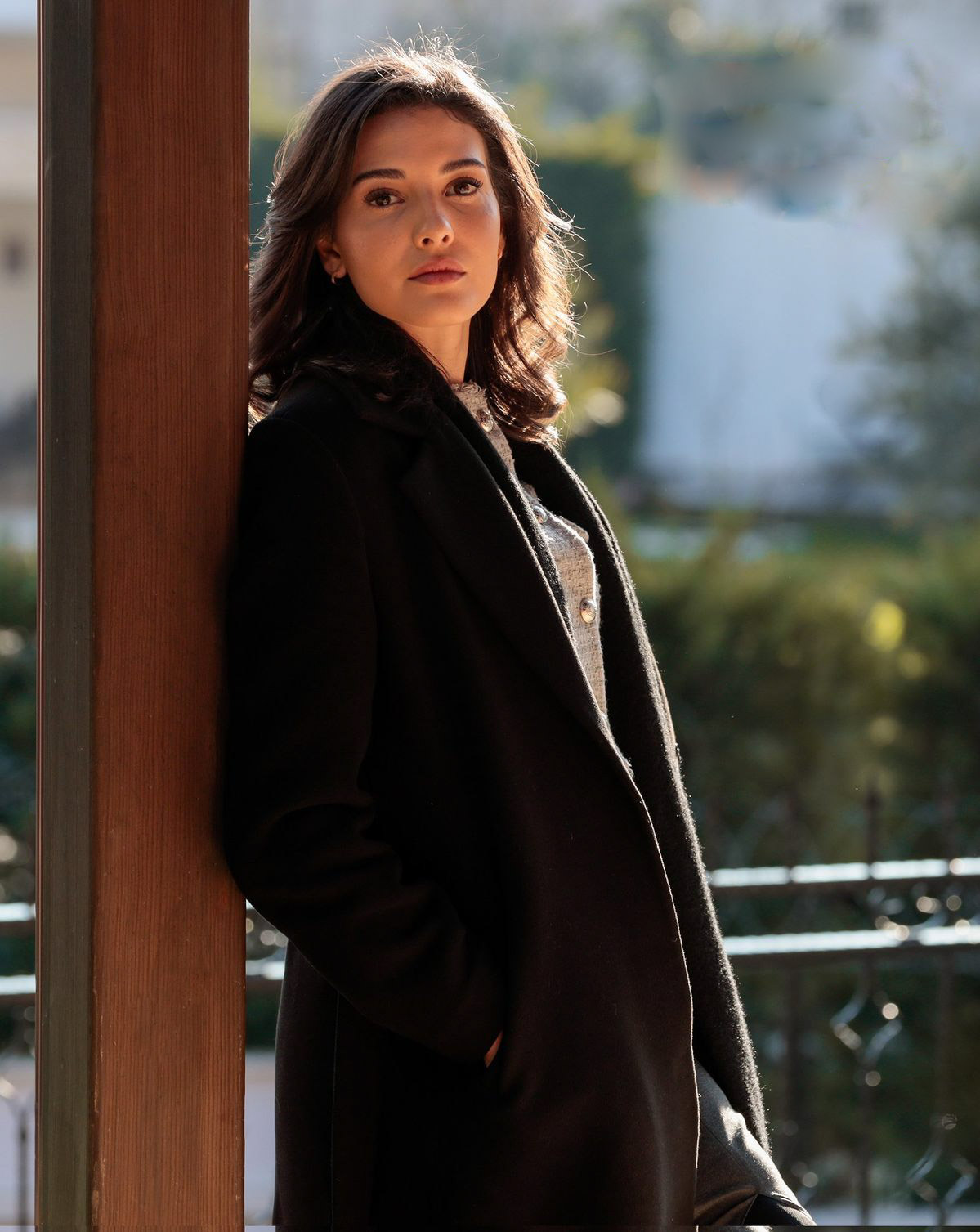
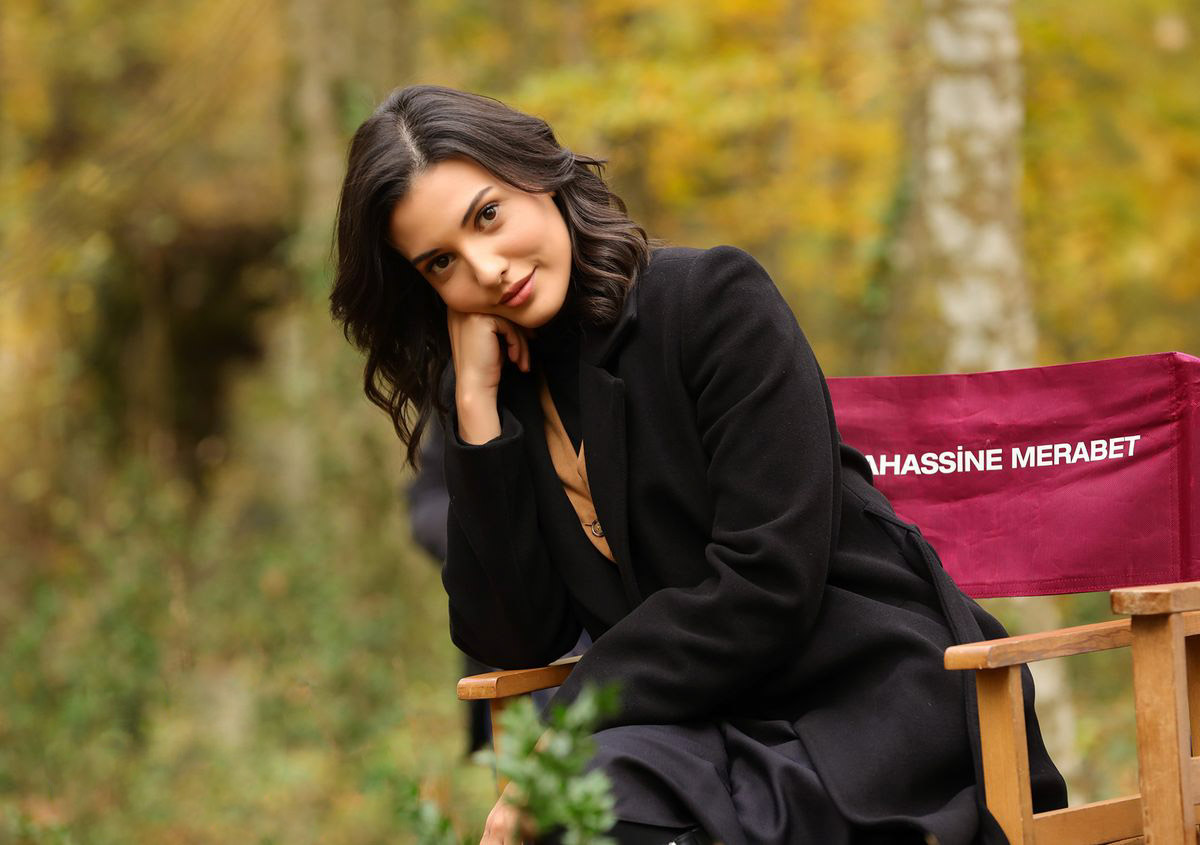
Source: Karamel Yapım / Press Release
Her family remains her central axis, maintaining proximity even at a distance and participating in her decisions. With a naturally positive outlook, she refuses to view adversities as defining crises. Instead, she adopts a practical approach, recognizing what she cannot control and reinterpreting experiences as part of her growth.
Observing her journey, which began in Ksar el-Kebir and reached of Istanbul, it is clear that Mahassine Merabet is not merely occupying a space; she is building a trajectory based on conscious choices and autonomy. She is proof that for those who master their own narrative, borders are merely the backdrop for a story that is only beginning to be written…