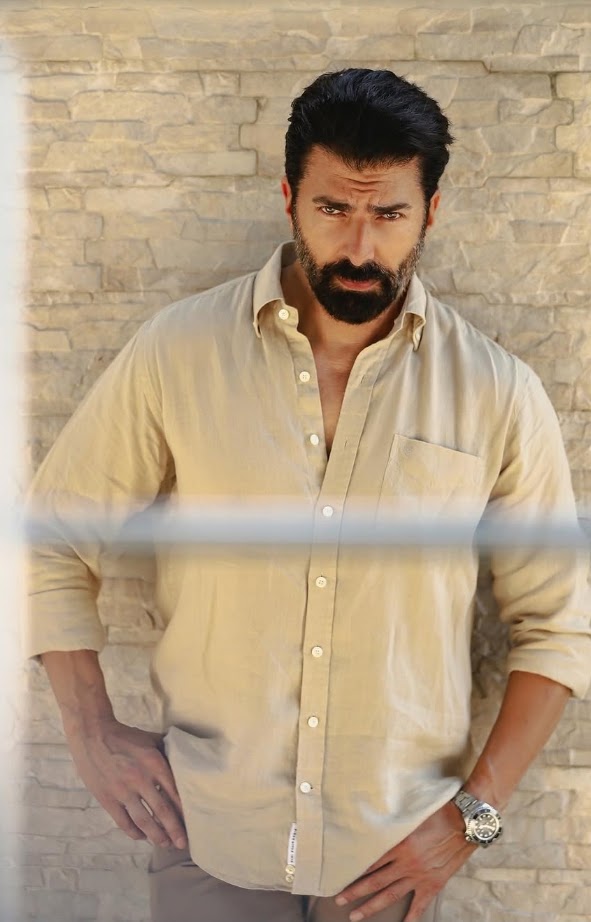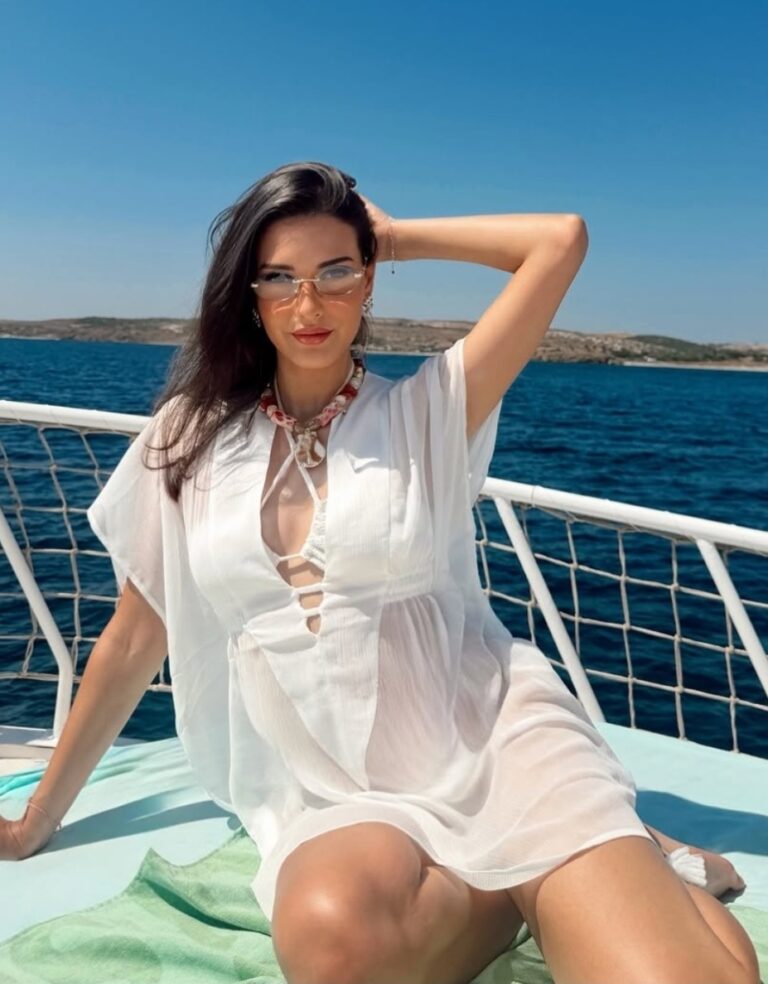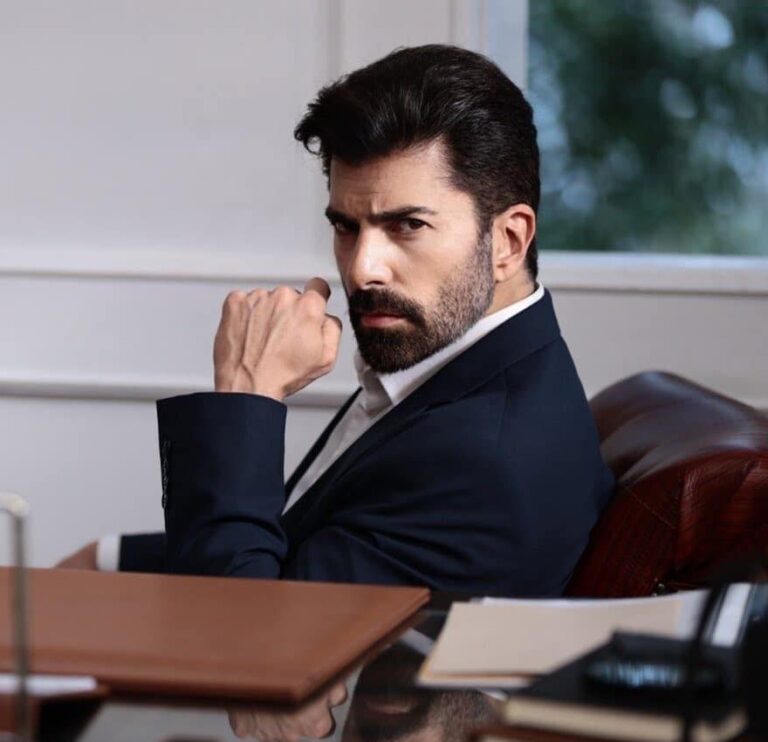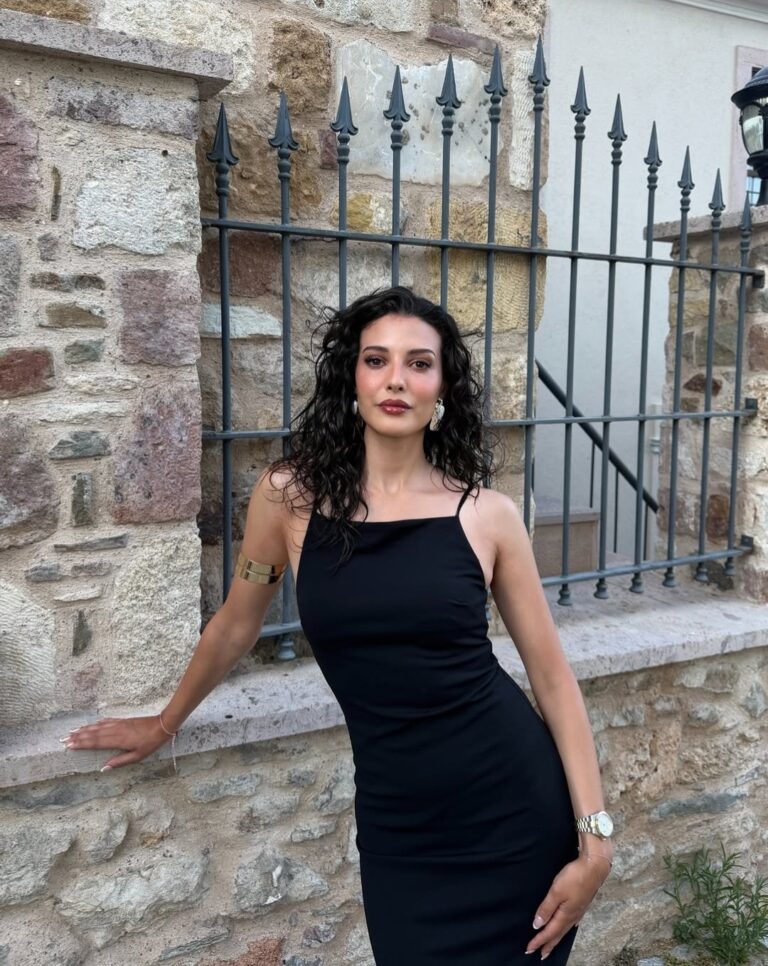
Actors Cenk Torun and Mahassine Merabet brought to life a compelling love story on screen as Orhun and Hira Demirhanlı in the series Esaret, a Karamel Yapım production completed in July 2025.
The plot continues to captivate the international audience by presenting an improbable journey of love: the encounter between a wounded man’s thirst for revenge and the silent resilience of an unjustly accused woman. What is born under the weight of resentment and power asymmetries gradually transforms into a process of mutual healing. Through forgiveness and the reconstruction of trust, the narrative reveals that love is not a fixed state, but a construction that demands internal confrontation and a willingness to tear down one’s own defenses.
When examining the concept of love over time, it becomes clear that it has often been reduced to simplified formulas, translated into short phrases that attempt to contain its complexity: “love is” this, “love is” that etc. Yet human experience resists any attempt at simplification.
When artists are invited to answer the question “what is love?”, what emerges are not closed definitions, but fragments of lived experience. And when observed together, these reflections form something broader: a relational philosophy that transcends fiction.
It is within this context that, in various interviews, Cenk Torun and Mahassine Merabet have shared, in a discreet yet sincere manner, their perspectives on the subject. In an environment where relationships are often portrayed superficially, their views stand out for their consistency and deserve careful attention.
For this analysis, the central point lies not in isolated answers, but in the meeting between them.
Their perspectives reveal that love cannot be sustained by a single definition. It is built at the intersection of different trajectories, experiences, and levels of maturity. Generational difference, rather than being an obstacle, becomes a source of depth, expanding the understanding of this feeling.
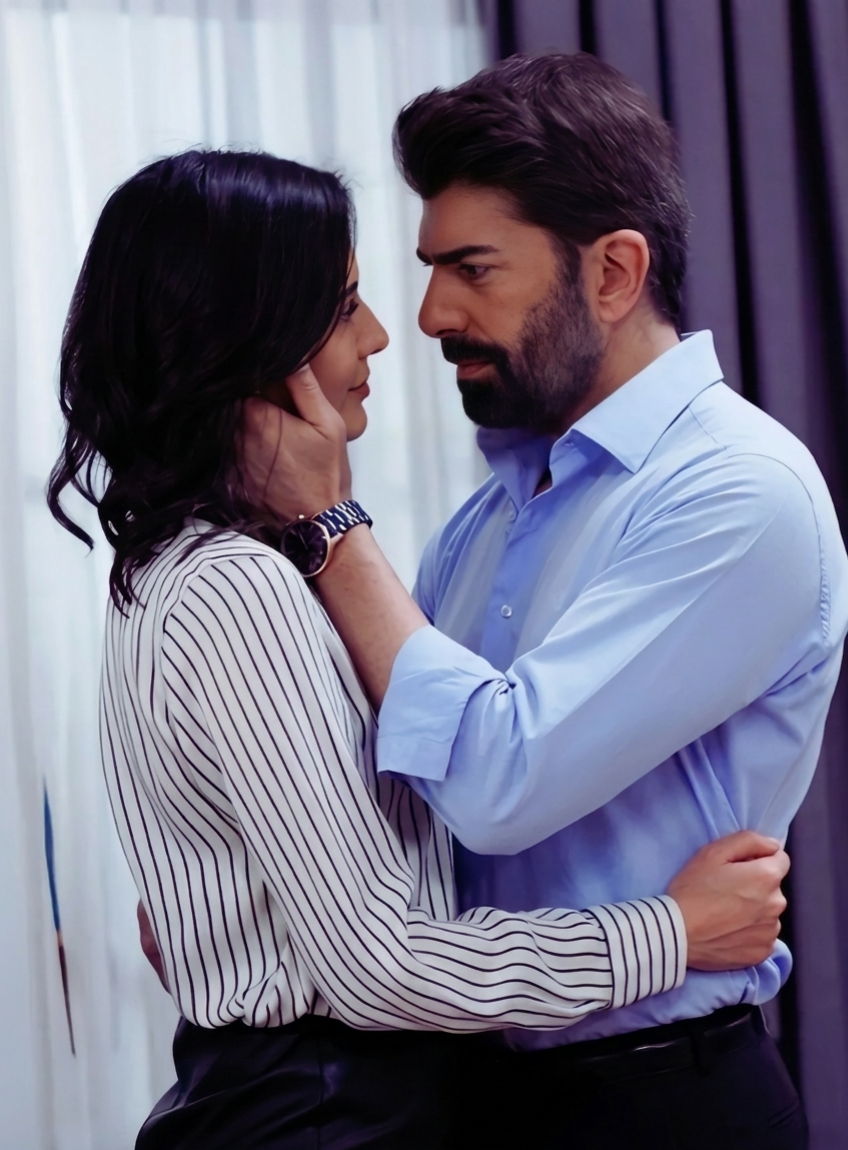
Source: Karamel Yapım / Hira and Orhun (Esaret)
The chemistry perceived between them on screen is not accidental. It reflects a convergence of values and a worldview that, while not identical, proves to be complementary.
A mosaic of respect, trust, and courage.
Mahassine has emphasized on several occasions that love is grounded in three pillars: respect, trust, and courage. Not only the courage to surrender, but the courage to sustain what has been built over time.
Cenk, in turn, recognizes these same foundations, but introduces an essential element: passion. It is passion that drives, energizes, and gives life to the bond. However, his perspective also carries a warning. When unbalanced, passion can become unstable and, in some cases, destructive.
The point of convergence is clear. Respect and trust form the foundation. The difference lies in how each understands what keeps that structure alive.
And it is precisely in this meeting that a more sophisticated, refined, and mature understanding of love emerges.
Here, love is not treated as impulse, but as balance. Not as isolated intensity, but as conscious construction.
The dialectic of “dangerous love”.
There is a shared idea between them that functions as a turning point: the recognition that love, under certain circumstances, can be dangerous, and that choosing affection is, in itself, a conscious decision.
This statement does not deny love. On the contrary, it acknowledges its power. The risk does not lie in the feeling itself, but in the way it manifests when disconnected from respect and awareness.
In a context where control, jealousy, and imbalance are often mistaken for “passionate love,” this interpretation proposes a rupture. Affection emerges as the alternative, not as something lesser, but as a safe harbor where the bond does not consume, but sustains.stains.
Conclusion
What they present to us is not a single definition of love, nor a simple emotion, but a carefully crafted mosaic. A set of articulated elements that reveal love as a conscious choice of construction and permanence.
Consistent relationships do not happen by chance. They require the courage to face tensions, the maturity to understand boundaries, and the awareness to balance emotion and structure.
When mature, love is sustained by respect, trust, and responsibility. It ceases to be an unstable territory and becomes a space of permanence. Not as an inevitable destiny, but as a continuous decision to remain together.
“Love is courage, respect, trust and balanced passion” – Cenk & Mahassine
Note: This editorial was originally published on our Instagram on May 23, 2025, and has been revised and expanded for this website edition.